Here is the sermon for Sunday August 30th: Trinity 13, 2015
|
||||||

Here is the sermon for Sunday August 30th: Trinity 13, 2015  
Detail of Saint Giles and the Hind, by the Master of St Giles (c. 1500) O Lord Jesus Christ, who bought us by thy Blood: Help us to follow thee and the company of Saints in merciful thought and loving deed; and especially after the gracious pattern of thy servant Giles, make us . . . → Read More: Saint Giles of Provence, Abbot 
Inspire by thy blessed Spirit, O Lord God, all Bishops and Pastors, that they may tend their flocks after the pattern of thy servant Saint Aidan, with gentleness and strength; that thy people may be shepherded with the holy love of our Redeemer Jesus Christ, who with thee and the Holy Ghost liveth and . . . → Read More: Saint Aidan of Lindisfarne 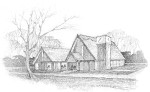
Here is this week’s newsletter: St Stephens News XXVI No 34 
Almighty and merciful God, of whose only gift it cometh that thy faithful people do unto thee true and laudable service: Grant, we beseech thee, that we may so faithfully serve thee in this life, that we fail not finally to attain thy heavenly promises; through the merits of Jesus Christ our Lord. Amen. . . . → Read More: The Thirteenth Sunday after Trinity 
The Beheading of St John the Baptist, by Michelangelo Caravaggio (1571–1610). Almighty God, by whose providence thy servant John the Baptist was sent to prepare the way of thy Son our Saviour, by preaching of repentance: Make us so to follow his doctrine and holy life, that we may truly repent according to . . . → Read More: The Beheading of Saint John the Baptist 
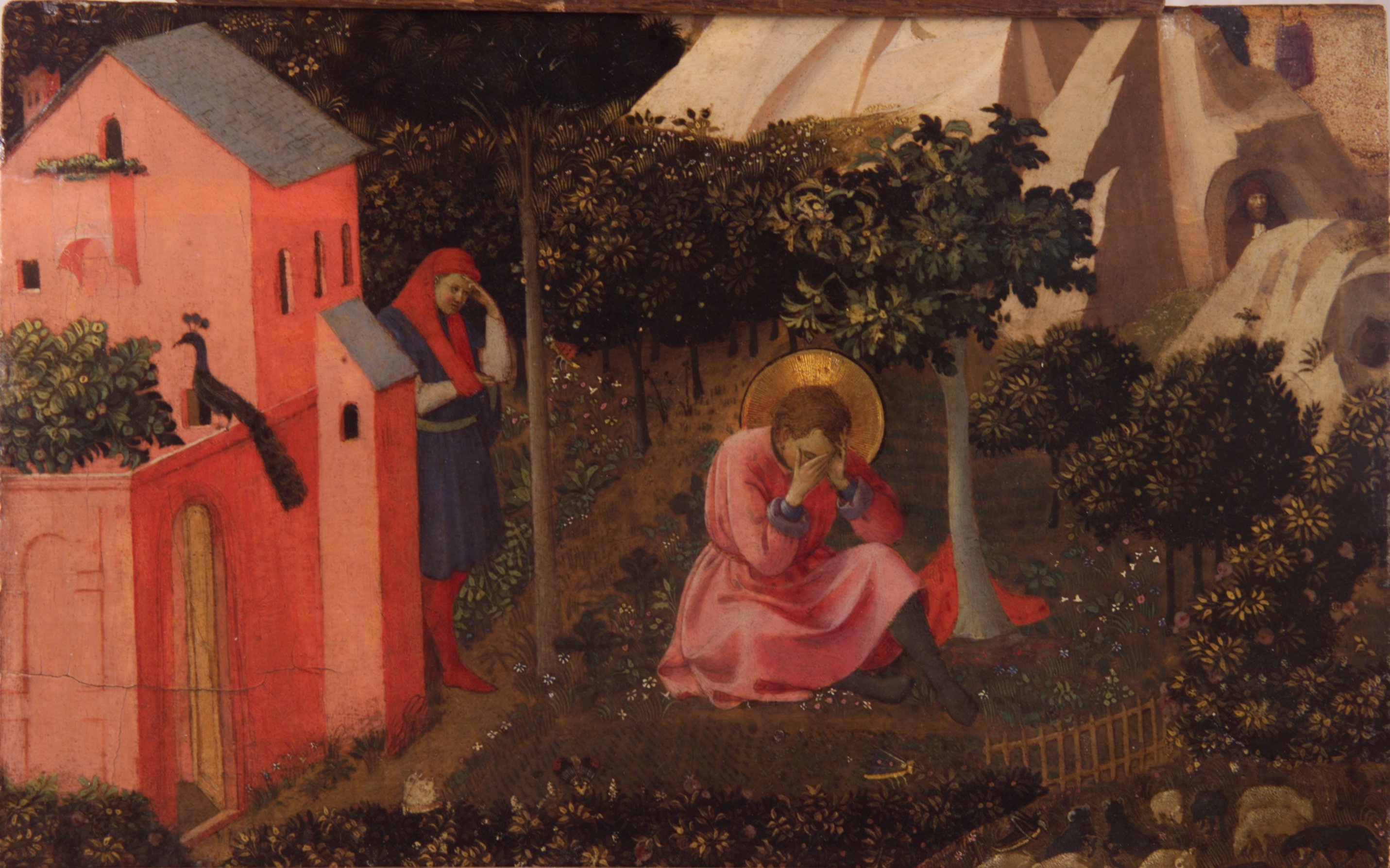
Conversion of Saint Augustine, by Fra Angelico (c. 1395–1455) O God, who from among the people of Africa didst raise up thy servant Augustine to be a Bishop and Doctor of the Church: Grant us so to follow him in paths of penitence and discipline that we may attain to the vision of . . . → Read More: Saint Augustine of Hippo  People who have gotten out of the habit of saying their prayers frequently feel self–conscious and embarrassed about taking it up again. But it’s vitally important to make the effort—and by no means solely for the sake of your spiritual health. Scientific studies show that prayer is good for your physical health as well. Patients . . . → Read More: Remember to pray for your life—even if you are busy 
Christians of all persuasions should be deeply concerned about the increasing intolerance being displayed by federal, state, and local governments to some of their most cherished beliefs. Even courts sworn to uphold the U.S. Constitution often seem set against the faith. Intolerance is not merely confined to requiring Roman Catholic nuns to provide contraception services, . . . → Read More: Christians need to learn to draw a line at apostasy 
Liturgical fashions change over the years—just like any other fashion. Seventy years ago, for example, it was fashionable for celebrants to say the liturgy as fast as they reasonably could—on the grounds that one makes fewer mistakes when words are read quickly. It’s a reasonable enough hypothesis, but, like any other fashion, there were . . . → Read More: Ecclesiastical advice from irregular (secular) sources |
|
|||||
 Saint Stephen’s Anglican Church 11856 Mays Chapel Rd, Timonium, MD 21093 (410) 560-6776 Unless otherwise noted, the material on this website is distributed under the Creative Commons Attribution-ShareAlike License (CC-BY-SA). By using this site, you agree to the Terms & Conditions and Privacy Policy. Posts Feed * Comments Feed * Contact Webmaster * Log in * Powered by WordPress & Atahualpa %d bloggers like this: |
||||||
 Comments are closed


 Newsletter